
GST | Goods and Services Tax Login, and Registration 2025
Introduction
GST (Goods and Services Tax) is India’s largest indirect tax reform that revolutionized the country’s taxation structure. Implemented on 1st July 2017, Goods and Services Tax unified a complex web of central and state taxes into a single, streamlined tax system. It is a destination-based, multi-stage indirect tax levied on the supply of goods and services across India.
Whether you’re a business owner, taxpayer, student, or simply curious about how India’s tax system works post-2017, this comprehensive guide will explain everything about Goods and Services Tax, including its definition, benefits, types, registration, return filing, slab rates, challenges, and more.
Table of Contents
What is GST?
Goods and Services Tax is an indirect tax that replaced multiple cascading taxes levied by the central and state governments. It is applicable on the supply of goods and services for domestic consumption and is collected at every step of the production and distribution chain, with a full set-off for taxes paid earlier in the value chain.
Key Features:
- Comprehensive: Subsumes almost all indirect taxes (VAT, Service Tax, Excise Duty, etc.)
- Destination-based: Collected at the point of consumption
- Uniform: A single tax structure across the country
- Transparent: Simplifies compliance and reduces tax evasion
Objectives of Goods and Services Tax in India
- Eliminate tax-on-tax (cascading effect)
- Simplify indirect taxation
- Create a unified national market
- Enhance compliance and transparency
- Boost ease of doing business
Types of Goods and Services Tax in India
India adopted a dual Goods and Services Tax model, which involves both the Central Government and State Governments collecting Goods and Services Tax on the same transaction.
| Type | Full Form | Levied By | Applies On |
| CGST | Central Goods and Services Tax | Central Government | Intra-state sales |
| SGST | State Goods and Services Tax | State Governments | Intra-state sales |
| IGST | Integrated Goods and Services Tax | Central Government | Inter-state & import transactions |
| UTGST | Union Territory Goods and Services Tax | Union Territory Govt | Intra-UT sales |
Goods and Services Tax Rate Slabs
Goods and services are categorized into the following tax slabs:
| Rate | Category |
| 0% | Unprocessed food, books, healthcare |
| 0.25% | Rough diamonds, semi-precious stones |
| 3% | Gold, silver, platinum |
| 5% | Basic necessities, train tickets |
| 12% | Computers, processed food |
| 18% | Hair oil, soaps, consumer goods |
| 28% | ACs, cars, tobacco, aerated drinks |
Additionally, a Compensation Cess is levied on specific luxury and demerit goods such as tobacco and aerated drinks.
GST Registration
Who Needs to Register?
All businesses with an annual turnover exceeding:
- ₹40 lakh (for goods)
- ₹20 lakh (for services)
- ₹10 lakh (for NE and hill states)
…must register under Goods and Services Tax and obtain a GSTIN (Goods and Services Tax Identification Number).
✅ Steps to Register:
1: Visit: https://www.gst.gov.in/
2: Click on “Services > Registration > New Registration”
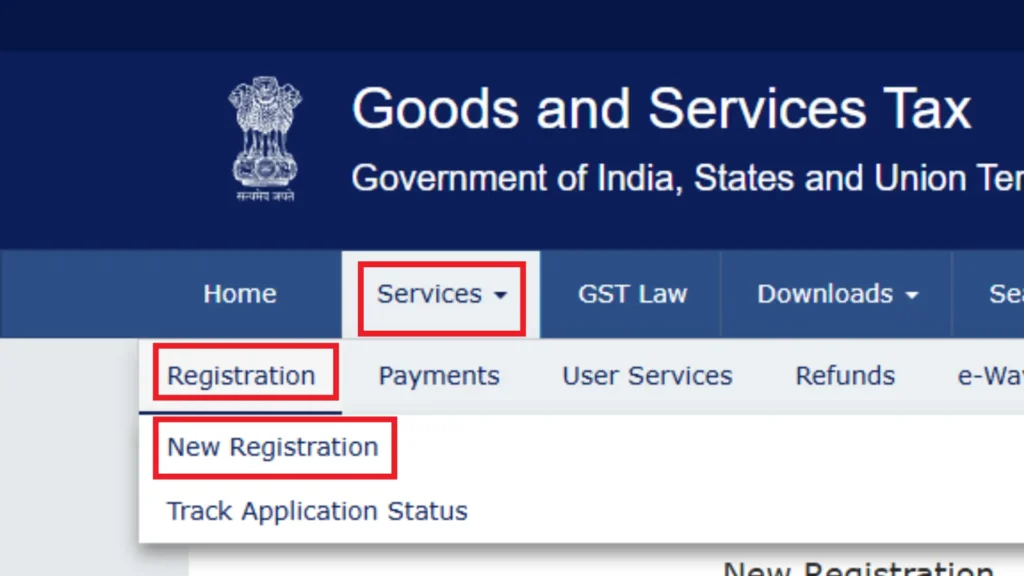
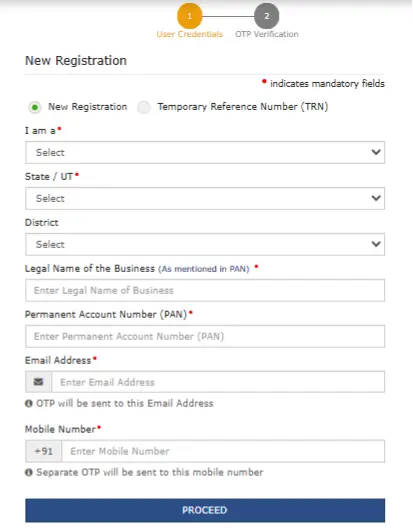
3: Part A – Basic Information
- Select Type: Choose Taxpayer from the “I am a” dropdown.
- Location: Pick your State/UT and District.
- Enter Details: Add Business Name and PAN.
- Contact Info: Provide Mobile & Email for OTP.
- Captcha: Enter and click Proceed.
- Verify Linked Info: Confirm if prompted.
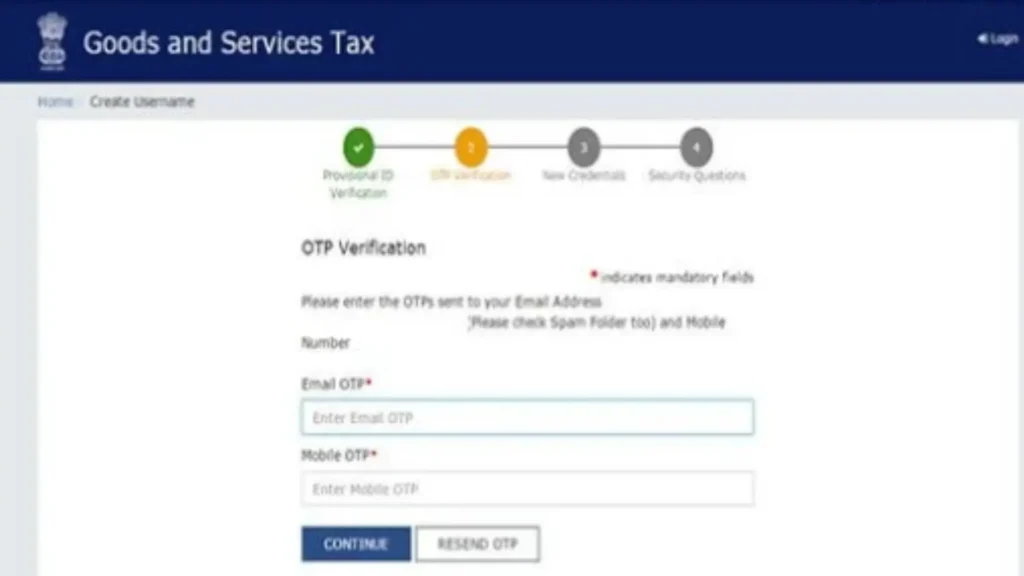
4: OTP: Enter OTP sent to your phone/email.
5: TRN (Temporary Reference Number): Check your email and mobile for the TRN.
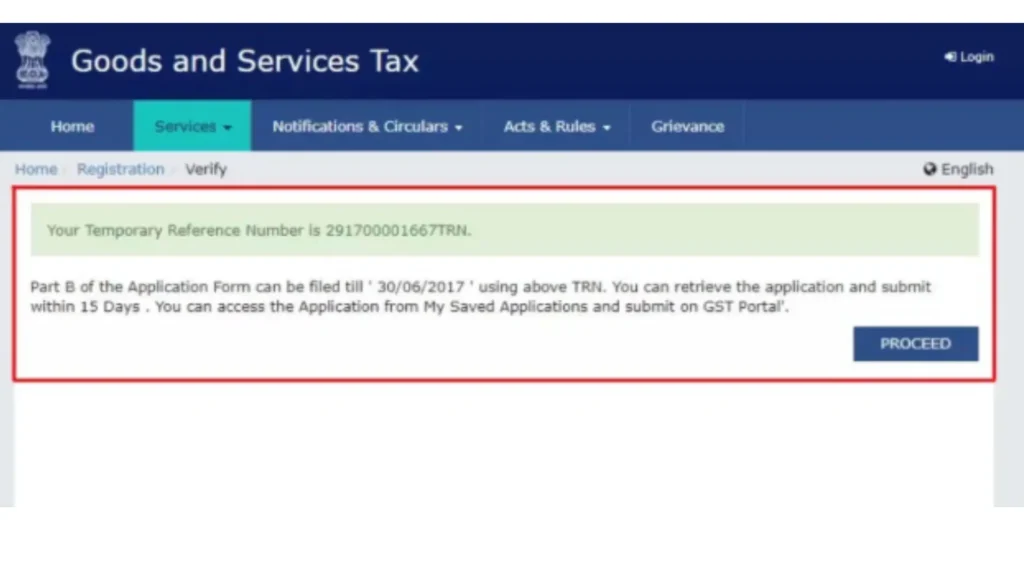
6: Part B: Detailed Information
- Go to the Goods and Services Tax Portal and select TRN (Temporary Reference Number).
- Enter TRN, captcha, OTP, and click on “Proceed”.
- Re-enter OTP and click on “Proceed”.
- Click Edit beside the “Draft” status.
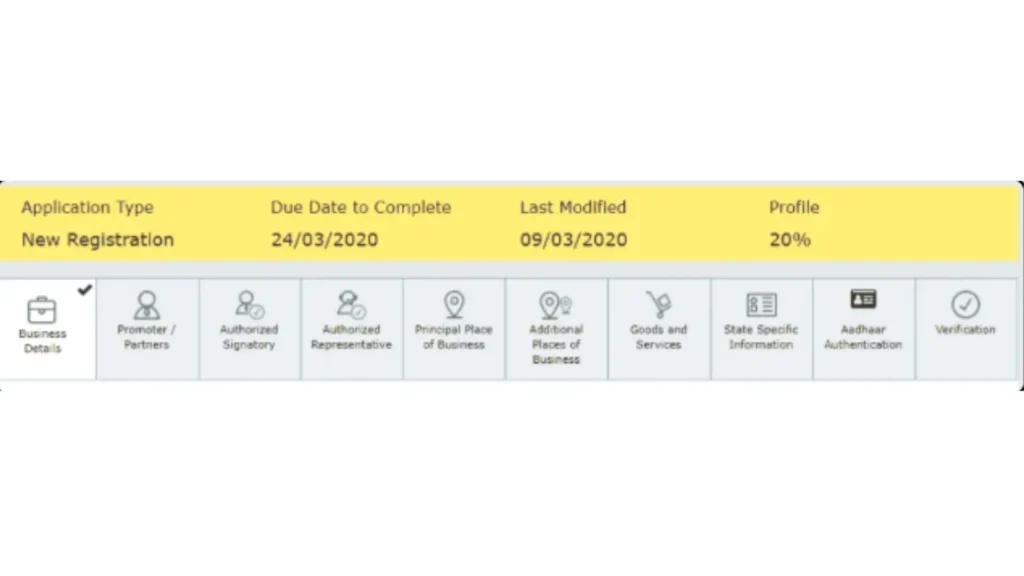
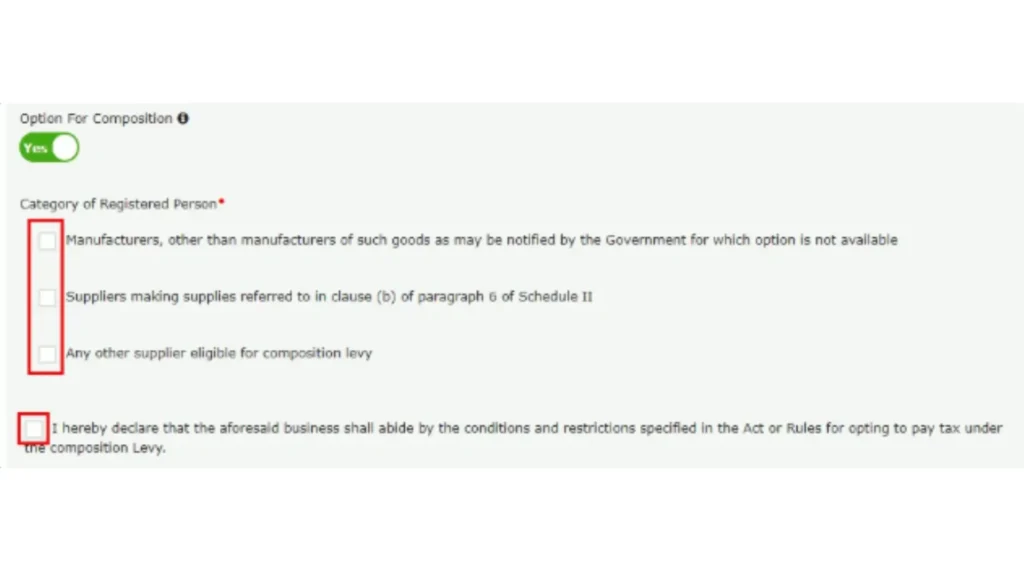
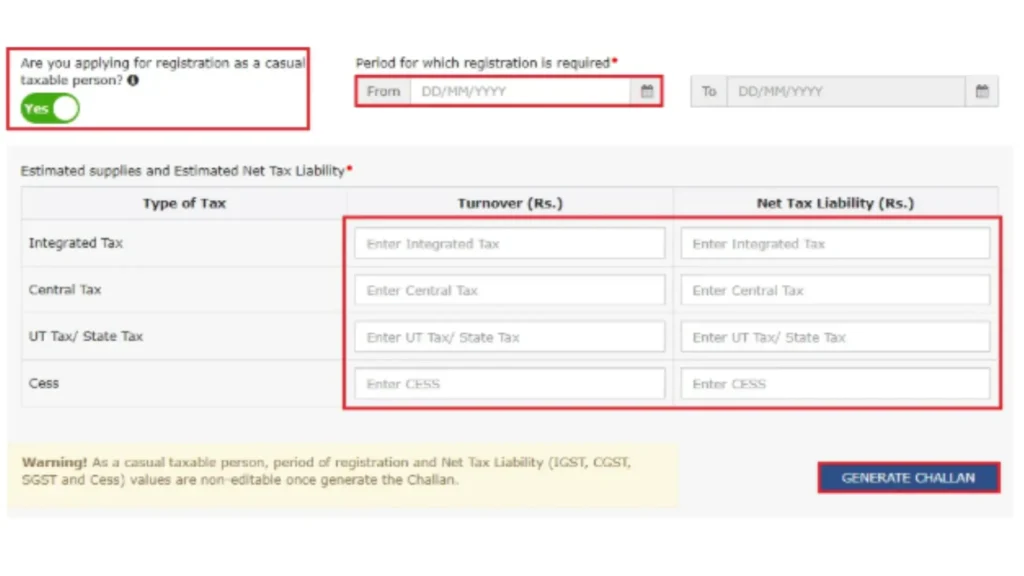
- Fill in These Sections:
- Business Info
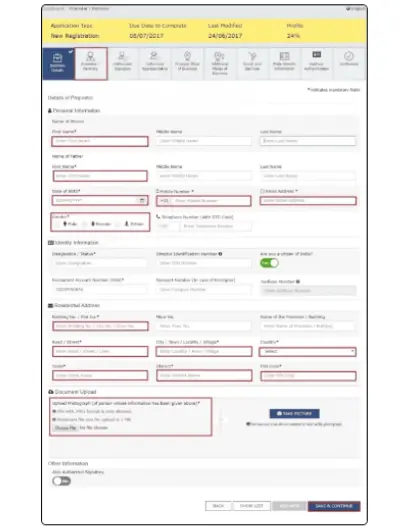
- Promoter/Partner Details
- Authorized Signatory
- Primary & Additional Business Locations
- Goods/Services Offered
- State-Specific Data
- Aadhaar Authentication (optional)
- Final Verification
- Upload Required Documents: PAN, address proof, bank statement, ID photos, etc.
- Submit via: Digital Signature Certificate (DSC) or Electronic Verification Code (EVC)
7: ✅ Acknowledgement: Your Application Reference Number (ARN) will be sent to your registered email and mobile number.
8: 🔎 Verification: A Goods and Services Tax officer will review your application and supporting documents.
9: 📄 GSTIN Allotment: Once approved, your unique GSTIN and the official Registration Certificate (Form GST REG-06) will be issued.
📝 Note: Ensure all necessary documents are ready in advance, as requirements can differ based on your type of business.
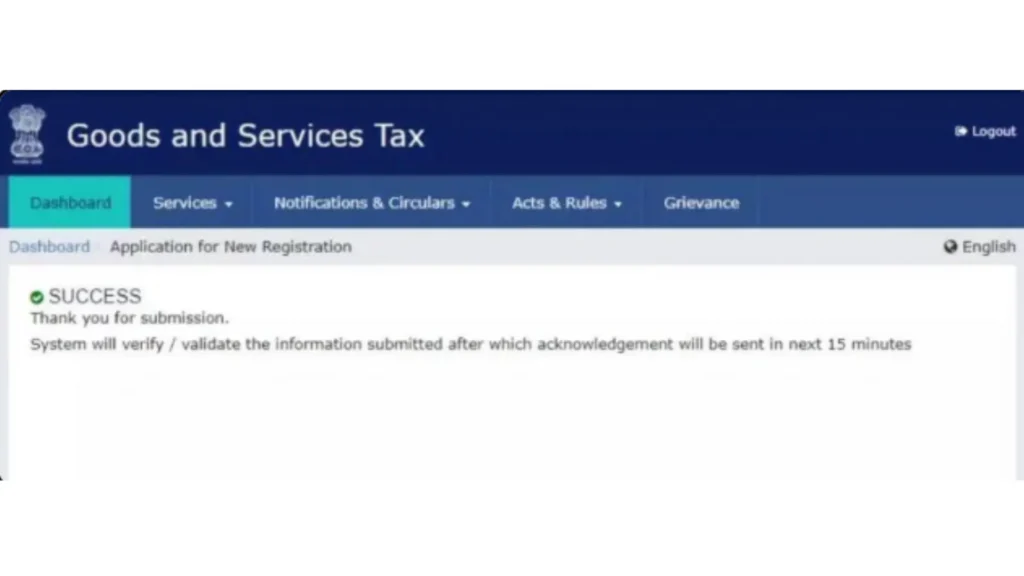
Your GSTIN (Goods and Services Tax Identification Number) will be issued post-verification.
GST Login Process
After registration:
- Go to https://www.gst.gov.in/
- Click “Login” on the top right
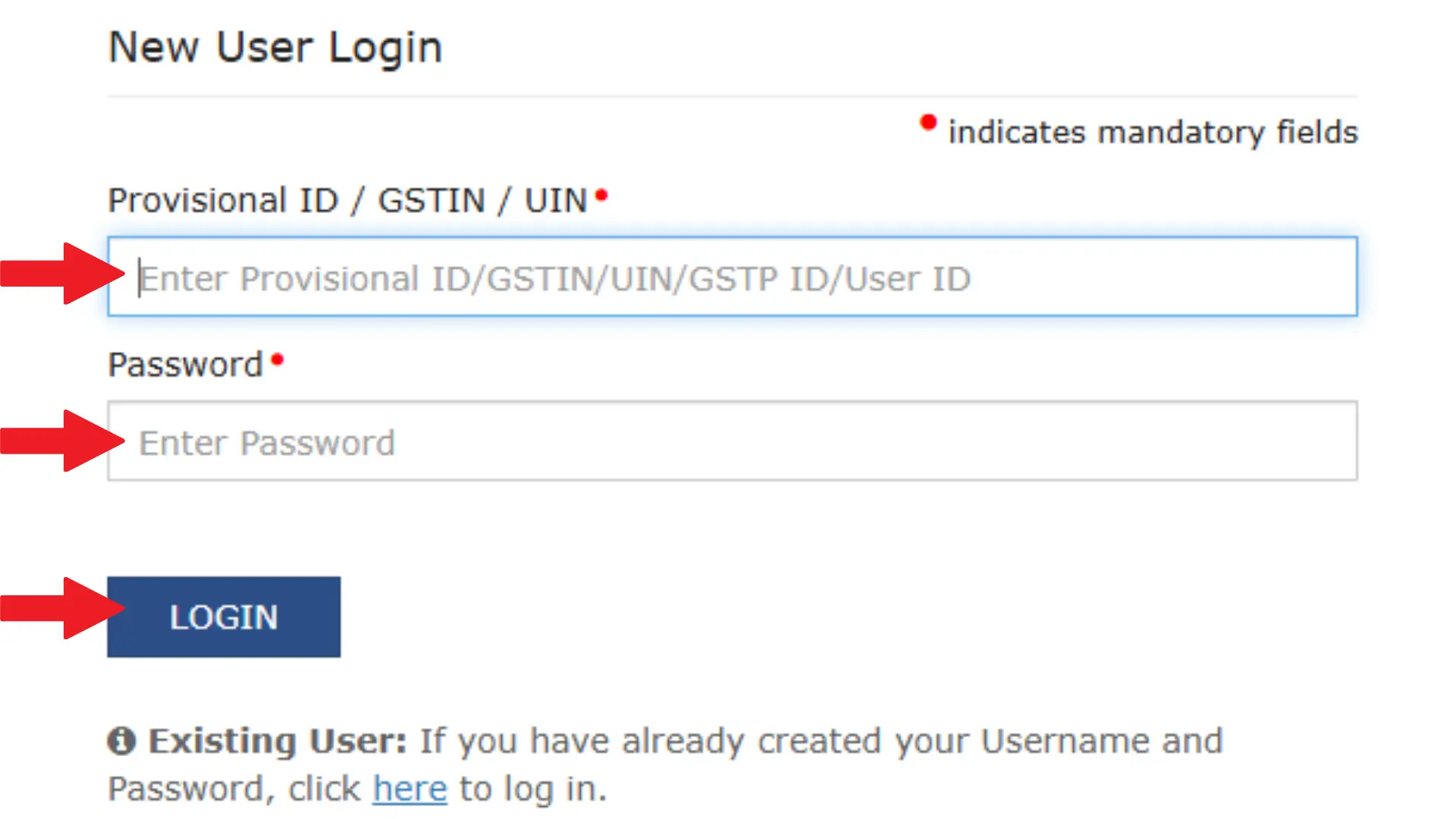
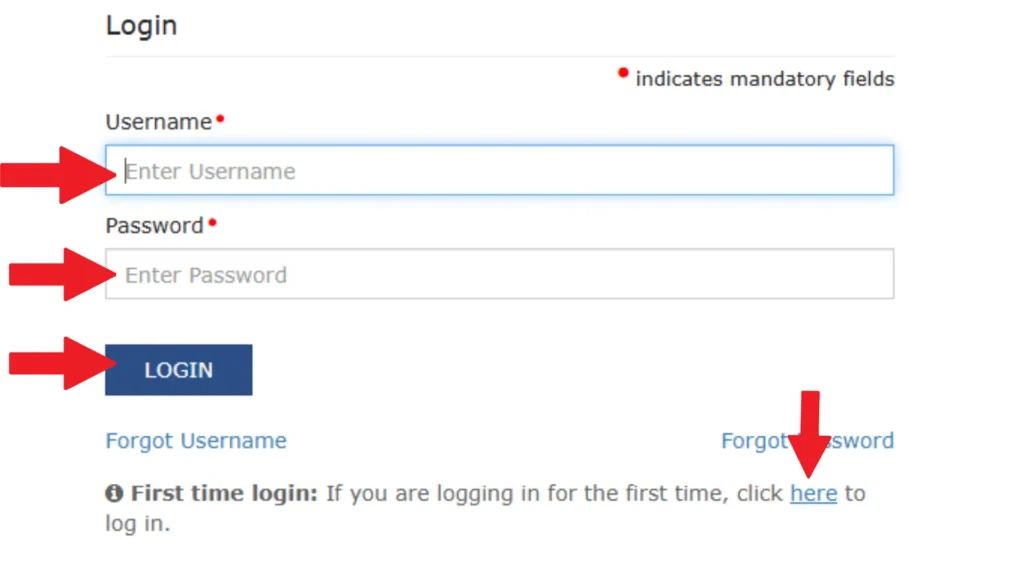
- Enter your GSTIN/UIN/Provisional ID/GSTP ID/User ID and password
- Enter CAPTCHA and click LOGIN
You can now file returns, generate e-Way bills, and manage taxes.
GST Registration Status Check
To check status:
- Visit: https://www.gst.gov.in/
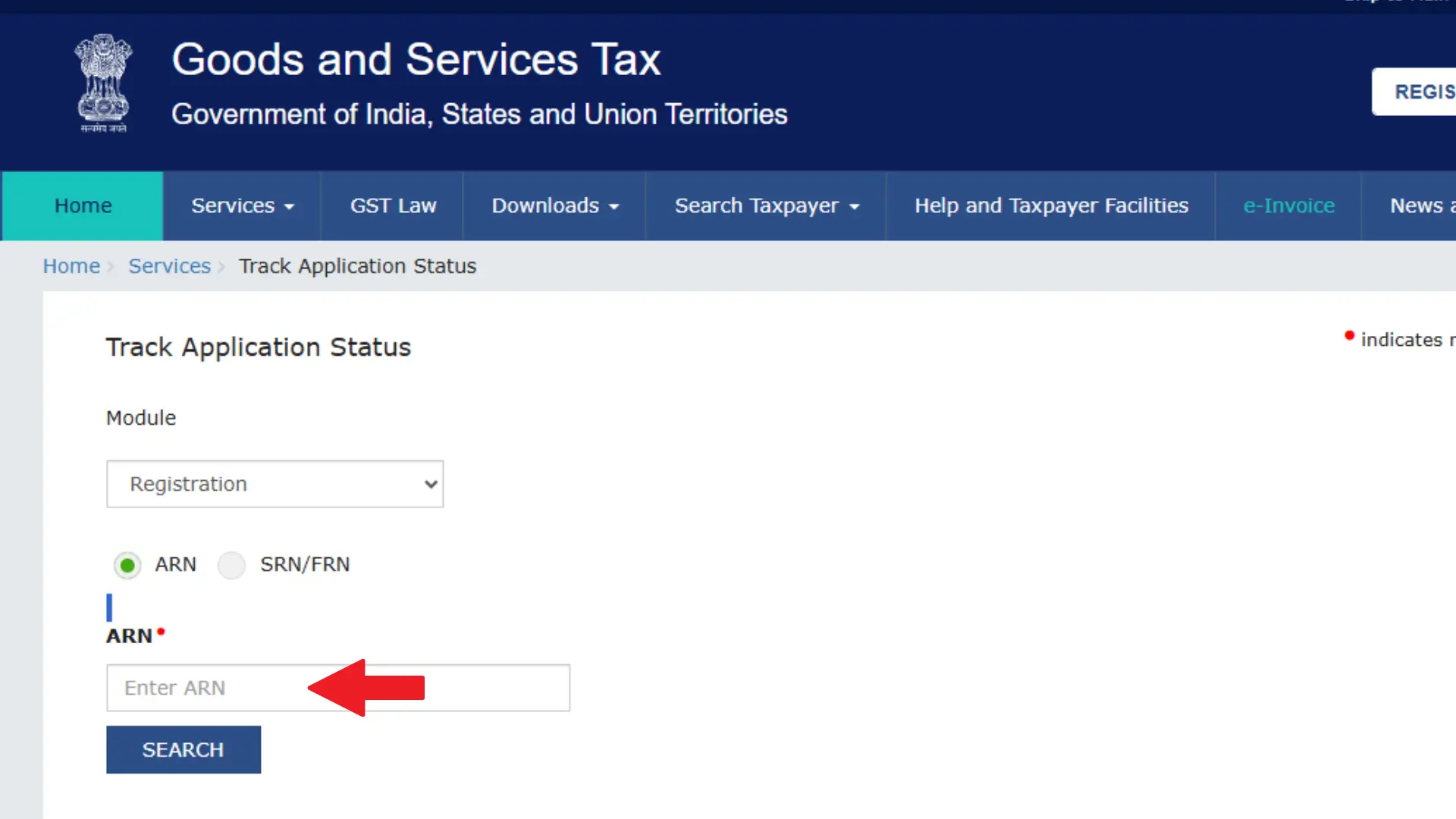
- Go to Services > Registration > Track Application Status
- Enter the ARN or SRN
- Click Search – status will be shown (Pending, Approved, Rejected)
Goods and Services Tax Returns Filing
Registered taxpayers are required to file various Goods and Services Tax returns depending on their business category. Returns include:
| Return Type | Description | Frequency |
| GSTR-1 | Outward supplies (sales) | Monthly/Quarterly |
| GSTR-3B | Summary return | Monthly |
| GSTR-4 | Composition dealers | Quarterly |
| GSTR-9 | Annual return | Annually |
The government also introduced the QRMP scheme (Quarterly Return Monthly Payment) for small businesses.
✅ QRMP Scheme:
For businesses with turnover up to ₹5 crore:
- File quarterly returns
- Pay monthly via PMT-06
Goods and Services Tax e-Way Bill System
Introduced to streamline transportation, the e-Way Bill is mandatory for the movement of goods worth more than ₹50,000 across states.
- · Generated on ewaybillgst.gov.in
- · Valid for 1 day per 200 km
- · Part A: Goods & invoice details
- · Part B: Vehicle/transporter details
Features:
- Generated electronically
- Valid for a specific time/distance
- Reduces transportation delays
- Eliminates inter-state checkpoints
HSN Code Under Goods and Services Tax
The Harmonized System of Nomenclature (HSN) is used to classify goods under Goods and Services Tax. Based on turnover:
| Turnover Range | HSN Digits Required |
| Up to ₹1.5 Cr | None |
| ₹1.5–5 Cr | 2-digit |
| Above ₹5 Cr | 4-digit |
Goods and Services Tax Council
The Council is the decision-making body headed by the Union Finance Minister. It consists of:
- Central Finance Minister (Chairperson)
- State Finance Ministers
- UT Representatives
The council recommends tax rates, exemptions, laws, and procedural changes.
Latest: The 54th Goods and Services Tax Council Meeting was held on 9th September 2024.
Benefits of Goods and Services Tax
- ✅ Eliminated cascading effect
- ✅ Unified national market
- ✅ Boosted GDP & exports
- ✅ Reduced tax evasion
- ✅ Faster logistics with no check posts
- ✅ Improved compliance with e-invoicing
- ✅ Greater transparency in taxation
Goods Excluded from Goods and Services Tax
Some goods and services are currently outside Goods and Services Tax purview, including:
- Alcohol for human consumption
- Petrol, diesel, crude oil, natural gas
- Electricity
- Real estate (except under-construction properties)
These continue to be taxed by individual states.
Criticism & Challenges of Goods and Services Tax
While Goods and Services Tax is hailed as a major reform, it also faced several challenges:
- Complex return filings for small businesses
- Technical glitches on GSTN portal
- Delayed tax refunds for exporters
- Multiple tax slabs creating confusion
- High rates on daily use items like bicycles
- Compliance burden on MSMEs
- Revenue loss concerns for states
Political parties like the Indian National Congress dubbed it “Gabbar Singh Tax” for its harsh impact on small businesses.
Goods and Services Tax in Numbers (as of 2025)
- Over 11 crore taxpayers registered
- Monthly Goods and Services Tax collection crossed ₹1.75 lakh crore
- Checkpost removal saved 20% transit time
- 230,000 MSMEs reportedly shut due to compliance burden
Conclusion
The Goods and Services Tax (GST) is undoubtedly one of the most significant economic reforms in India. It has helped create a transparent, efficient, and unified indirect tax system, despite initial implementation hiccups. With continuous adjustments by the Council, the system is maturing and evolving to suit the diverse needs of India’s vast economy.
Whether you’re a business owner or an average consumer, understanding Goods and Services Tax is essential in today’s tax landscape. For more information or to register, file returns, or check status, visit the official Goods and Services Tax Portal: https://www.gst.gov.in
FAQs
What is the full form of GST?
Goods and Services Tax.
When was Goods and Services Tax implemented in India?
It was implemented on 1st July 2017.
Who pays Goods and Services Tax?
It is paid by consumers, but collected and remitted by businesses.
Is Goods and Services Tax applicable on all goods and services?
No. Certain items like petroleum, alcohol, and electricity are excluded.
What are the Goods and Services Tax rate slabs?
It has five main slabs: 0%, 5%, 12%, 18%, and 28%.
Is Goods and Services Tax applicable to petroleum and alcohol?
No, they are outside Goods and Services Tax purview.
How do I check Goods and Services Tax registration status?
Track with ARN on the official Goods and Services Tax portal.